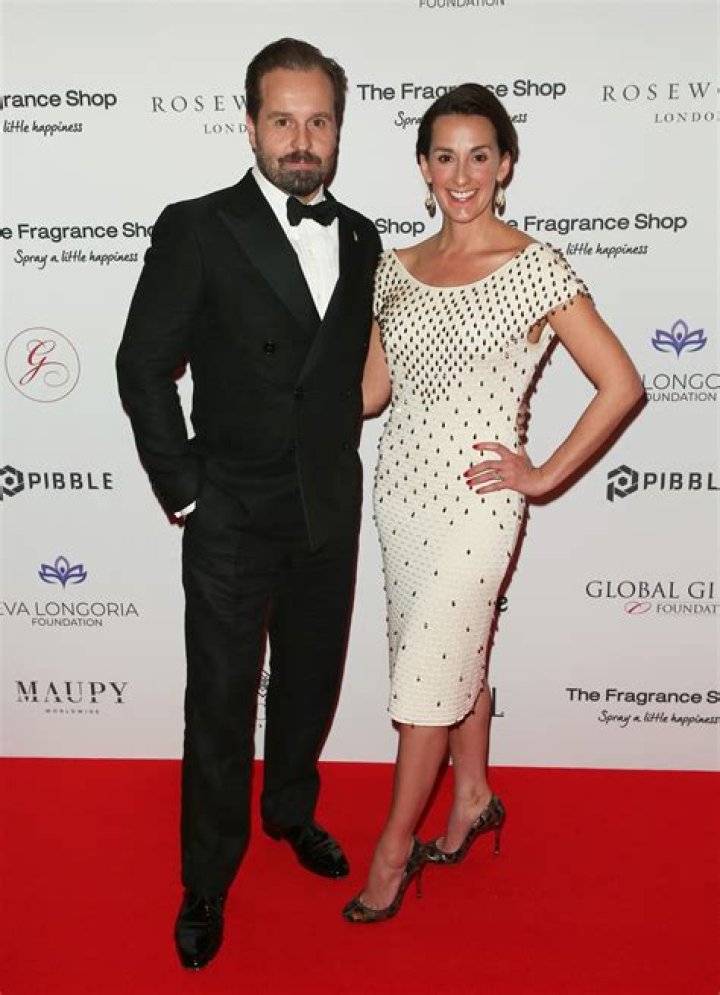
Michael Noak, also known as Brother Polight, a controversial figure in the religious community, has been arrested on multiple charges, including fraud and money laundering.
Noak, who has a large following of devoted believers, is accused of using his position to swindle millions of dollars from his followers. Many of his followers were elderly and vulnerable, making them easy targets for his deceptive schemes.
The arrest of Michael Noak has sent shockwaves through his religious community. Many of his followers are struggling to come to terms with the allegations against him, while others are expressing relief that his alleged fraudulent activities have been brought to light.
The investigation into Michael Noak's activities is ongoing, and more charges are expected to be filed. His arrest serves as a reminder that even those who claim to be religious leaders are not above the law and that they will be held accountable for their actions.
Michael Noak Aka Brother Polight Was Arrested
Understanding the key aspects of Michael Noak's arrest is crucial for comprehending the full scope and implications of the situation. These aspects provide insights into the nature of the charges, the impact on his followers, and the broader issues raised.
- Charges: Fraud, money laundering
- Victims: Elderly, vulnerable followers
- Amount: Millions of dollars swindled
- Impact: Shock, betrayal among followers
- Investigation: Ongoing, more charges expected
- Accountability: Religious leaders not above the law
- Transparency: Importance of exposing fraudulent activities
- Caution: Vigilance against religious scams
These aspects highlight the severity of the charges against Noak, the devastating impact on his followers, the ongoing nature of the investigation, and the broader implications for religious communities and society as a whole. The case serves as a cautionary tale about the dangers of trusting religious leaders blindly and the importance of holding them accountable for their actions.
Charges
The charges of fraud and money laundering against Michael Noak, also known as Brother Polight, are central to the case against him. These charges allege that Noak used his position as a religious leader to swindle millions of dollars from his followers. The alleged fraud involved deceptive schemes that targeted elderly and vulnerable individuals, exploiting their trust and financial resources.
The money laundering charges stem from allegations that Noak concealed the origins of the money he obtained through fraudulent activities. He is accused of using various methods to disguise the source of the funds, including moving money through multiple accounts and using shell companies. The purpose of money laundering is often to hide the proceeds of crime and make it more difficult for law enforcement to track and recover the stolen funds.
The charges of fraud and money laundering highlight the serious nature of the allegations against Noak. These charges are not only a violation of the law but also a betrayal of the trust placed in him by his followers. The case serves as a reminder that religious leaders are not above the law and that they will be held accountable for their actions.
Victims
The victims of Michael Noak's alleged fraudulent activities were primarily elderly and vulnerable followers. These individuals were targeted due to their trust in religious leaders and their financial vulnerability. The exploitation of these followers is a serious concern, highlighting the need for greater awareness and protection for vulnerable populations.
- Exploitation of Trust: Noak's position as a religious leader gave him a significant level of trust and influence over his followers. He allegedly used this trust to persuade them to invest their money in his schemes, promising high returns and spiritual benefits.
- Financial Vulnerability: Many of Noak's followers were elderly and had limited financial resources. They may have been more susceptible to his deceptive schemes due to their need for financial security and their desire to support their religious community.
- Lack of Awareness: Some of Noak's followers may have lacked the financial literacy or experience to recognize the warning signs of fraud. They may have been unaware of the risks involved in investing with Noak and trusted him implicitly.
- Emotional Manipulation: Noak allegedly used emotional appeals and spiritual rhetoric to manipulate his followers into investing their money. He may have played on their fears and insecurities, making them feel guilty or obligated to support his religious mission.
The targeting of elderly and vulnerable followers in this case highlights the importance of protecting vulnerable populations from financial exploitation. It is crucial for individuals to be aware of the warning signs of fraud and to seek professional advice before making any significant financial decisions.
Amount
The amount of money allegedly swindled by Michael Noak, also known as Brother Polight, is a critical component of the case against him. The sheer magnitude of the financial losses suffered by his followers underscores the severity of his alleged crimes and the widespread impact of his fraudulent activities.
The millions of dollars swindled by Noak represent more than just financial losses; they represent the betrayal of trust and the exploitation of vulnerable individuals. Noak's followers, many of whom were elderly and had limited financial resources, were persuaded to invest their hard-earned money in his schemes based on his promises of high returns and spiritual benefits. Instead, they lost their savings and retirement funds, leaving them financially devastated.
The practical significance of understanding the amount of money swindled in this case lies in its implications for the victims and for society as a whole. The financial losses suffered by Noak's followers have had a profound impact on their lives, leaving some of them facing financial ruin and emotional distress. The case also highlights the need for greater awareness and protection for vulnerable populations who may be targeted by fraudulent schemes.
Impact
The arrest of Michael Noak, also known as Brother Polight, on fraud and money laundering charges has sent shockwaves through his religious community. Many of his followers are struggling to come to terms with the allegations against him, while others are expressing relief that his alleged fraudulent activities have been brought to light.
- Loss of Trust: Noak's followers had placed their trust in him as their spiritual leader. His alleged betrayal has left many feeling disillusioned and questioning their faith.
- Emotional Distress: The realization that they have been deceived and financially exploited has caused significant emotional distress for many of Noak's followers. Some are experiencing feelings of anger, sadness, and confusion.
- Financial Devastation: Noak allegedly swindled millions of dollars from his followers. Many have lost their life savings and retirement funds, leaving them facing financial ruin.
- Erosion of Community: Noak's arrest has damaged the sense of community among his followers. Some have left the religious community altogether, while others are struggling to rebuild trust and find a new spiritual path.
The impact of Noak's alleged crimes extends beyond his immediate followers. The case has raised concerns about the vulnerability of religious communities to financial exploitation and the need for greater transparency and accountability among religious leaders.
Investigation
The ongoing investigation into Michael Noak, also known as Brother Polight, and the expectation of more charges being filed are critical components of the case against him. This ongoing investigation highlights the seriousness of the allegations and suggests that there is substantial evidence against him.
The investigation is being conducted by multiple law enforcement agencies, including the FBI and the IRS. These agencies are examining Noak's financial records, interviewing witnesses, and gathering evidence to support the charges against him. The ongoing nature of the investigation indicates that there is still much that is unknown about the extent of Noak's alleged crimes.
The expectation of more charges being filed is based on the ongoing investigation and the evidence that has been gathered so far. It is likely that as the investigation progresses, more information will come to light and additional charges will be brought against Noak. This expectation serves as a reminder that the case against Noak is still developing and that there may be more revelations to come.
The ongoing investigation and the expectation of more charges being filed have a significant impact on the case against Michael Noak. They indicate that the authorities are taking this case seriously and that they are committed to holding Noak accountable for his alleged crimes. These developments also provide some measure of hope for Noak's victims, as they suggest that justice may ultimately be served.
Accountability
The arrest of Michael Noak, also known as Brother Polight, on charges of fraud and money laundering highlights the crucial principle that religious leaders are not above the law. This principle has far-reaching implications for religious communities and society as a whole, underscoring the importance of transparency, accountability, and justice.
- Equal Treatment Under the Law: Religious leaders are subject to the same laws and legal consequences as any other citizen. They should not receive special treatment or immunity from prosecution for crimes they commit.
- Breach of Trust: Religious leaders hold positions of trust and influence in their communities. When they engage in criminal activities, they not only violate the law but also betray the trust of their followers.
- Damage to Religious Institutions: The actions of corrupt religious leaders can damage the reputation and credibility of religious institutions. It is essential to hold them accountable to maintain the integrity and trust in these institutions.
- Protection of Vulnerable Populations: Religious communities often include vulnerable individuals who may be more susceptible to exploitation and manipulation by unscrupulous leaders. Holding religious leaders accountable helps protect these vulnerable populations.
The principle of accountability for religious leaders serves as a safeguard against the abuse of power and ensures that they are held to the same standards as all other members of society. It fosters transparency, promotes justice, and protects the integrity of religious institutions and the well-being of their followers.
Transparency
Transparency plays a crucial role in uncovering and addressing fraudulent activities like those allegedly perpetrated by Michael Noak, also known as Brother Polight. Exposing fraudulent activities helps protect individuals, uphold justice, and maintain the integrity of religious institutions.
- Public Awareness: Transparency raises public awareness about fraudulent schemes and empowers individuals to make informed decisions, reducing their vulnerability to exploitation.
- Accountability and Deterrence: Exposing fraudulent activities holds perpetrators accountable for their actions and deters others from engaging in similar misconduct.
- Restoration of Trust: Transparency helps restore trust in religious institutions by demonstrating a commitment to honesty and ethical behavior.
- Prevention of Future Harm: By exposing fraudulent activities, patterns and red flags can be identified, enabling proactive measures to prevent future occurrences.
Transparency is essential for maintaining the integrity of religious communities and protecting vulnerable individuals from exploitation. It fosters a culture of accountability, promotes justice, and empowers individuals to make informed choices.
Caution
The arrest of Michael Noak, also known as Brother Polight, on charges of fraud and money laundering highlights the critical need for vigilance against religious scams. Noak's alleged fraudulent activities serve as a stark reminder that religious communities can be susceptible to exploitation by unscrupulous individuals.
Religious scams often exploit the trust and vulnerability of individuals within religious communities. Perpetrators may use religious rhetoric and emotional appeals to manipulate followers into investing their money in fraudulent schemes. Victims may be reluctant to question or report these activities due to their trust in religious leaders or fear of social stigma.
The case of Michael Noak illustrates the devastating consequences of religious scams. Noak allegedly swindled millions of dollars from his followers, many of whom were elderly and vulnerable. The financial losses and emotional distress suffered by his victims underscore the importance of being vigilant against such scams.
Vigilance against religious scams requires a multifaceted approach. Religious communities should educate their members about the warning signs of fraud and encourage them to report any suspicious activities. Law enforcement agencies should prioritize the investigation and prosecution of religious scams. Additionally, individuals should exercise caution when making financial decisions and seek professional advice if necessary.
By raising awareness and promoting vigilance, we can help protect individuals from religious scams and maintain the integrity of religious institutions.
The arrest of Michael Noak, also known as Brother Polight, on charges of fraud and money laundering has exposed the disturbing reality of religious scams. Noak's alleged exploitation of his followers' trust and financial vulnerability highlights the need for vigilance against such deceptive practices within religious communities.
Key points from the article include:
- Religious leaders are not above the law and should be held accountable for their actions.
- Transparency is crucial for uncovering and addressing fraudulent activities, restoring trust, and preventing future harm.
- Individuals must be vigilant against religious scams by educating themselves about warning signs and reporting suspicious activities.
Many suspect sadiq khan brother is in
Peter kay children meet charlie michael kay
Who is kenyatta matthews ta nehisi coates